

It's a grey Tuesday so far. For me, a reset day. And this blog has nothing to do with basketball.
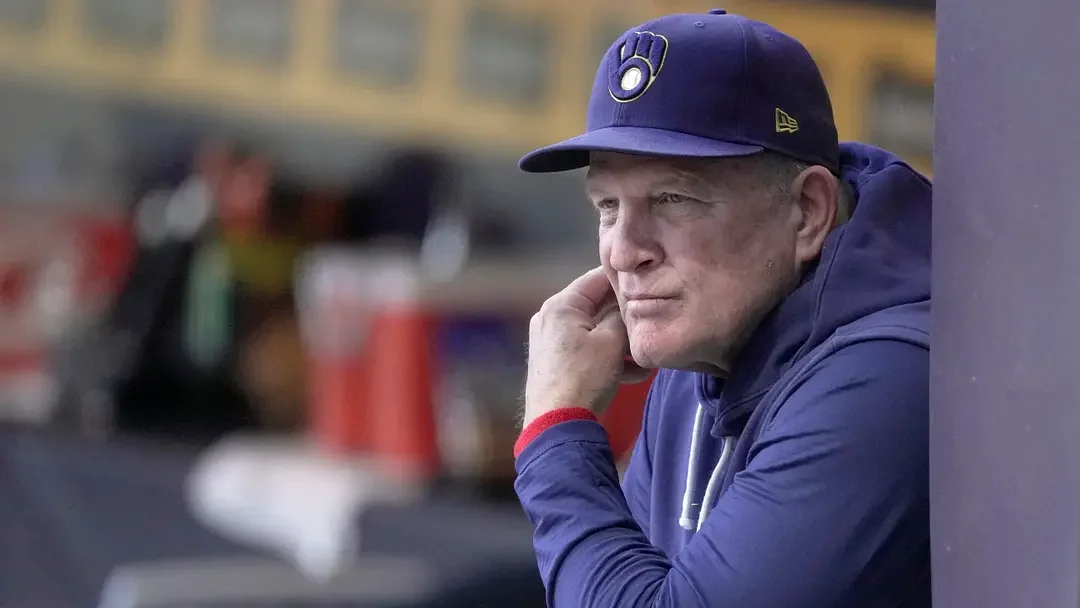
Photo: Mark Hoffman / Milwaukee Journal Sentinel / USA TODAY Network via Imagn Images.
Watching the Brewers made me think about what happens when a team really buys into a shared way of playing. Milwaukee didn’t have baseball’s biggest payroll; it ranked 19th out of 30 teams as of August 31. That doesn’t make them the lowest-spending team, and money alone doesn’t explain a championship. But it does make their season a reminder that a team’s success can come from getting the most out of everyone.
The Brewers had good pitching, depth, and players willing to do the less glamorous things: move a runner, make the right play, accept tough coaching and get back to work. Their rookie shortstop Cooper Pratt started in the World Series. Earlier in the season, manager Pat Murphy benched him after a missed bunt and a lack of hustle. Pratt accepted the criticism and said he needed to be better. It’s a vivid example of a team setting standards that apply to everyone.
That’s part of why Vladdy’s comments about his contract caught people’s attention. He said, “The money they gave me wasn’t for what I’m going to do. It was for what I already did.” He later apologized to fans for the comments.
I don’t think one quote tells us everything about a person or a season. But it brings up a question sports fans understand: when you’re part of a team, how do you balance what you’ve earned as an individual with what the team needs from you now? Will the Blue Jays learn to bunt in time for the 2027 season? I don’t know.
I do know that Toronto fans have stayed with teams through long stretches of losing. We know what it looks like when players put individual stats, their slumps, and their personal moments aside to do the job the team needs. We saw that spirit in the Raptors’ championship run and in the Blue Jays teams that won it all. The thing people remember is not just the stars. It’s how the whole group found a way to contribute.
That has me thinking about how I want to coach, too.
I can be quick to see a mistake and jump in with instructions, but I’m trying to learn to pause and get curious first. What did that player see? What were they trying to do? What made that choice feel right in that moment?
That doesn’t mean standards disappear. It means I want to understand the person before I decide what the moment calls for. Sometimes the best coaching move is a clear correction. Sometimes it’s a question, a little space, and a chance for the player to figure it out with their teammates.
That’s the kind of culture I want to build. Where everyone matters, everyone is coachable, and no one is bigger than the team. A group where we can hold each other to a standard while still caring about the person who’s trying to meet it.
So wait, maybe this has everything to do with basketball!
Happy Tuesday. The sun is coming out!